About
Mustafa Sualp
I build companies that change how people work.
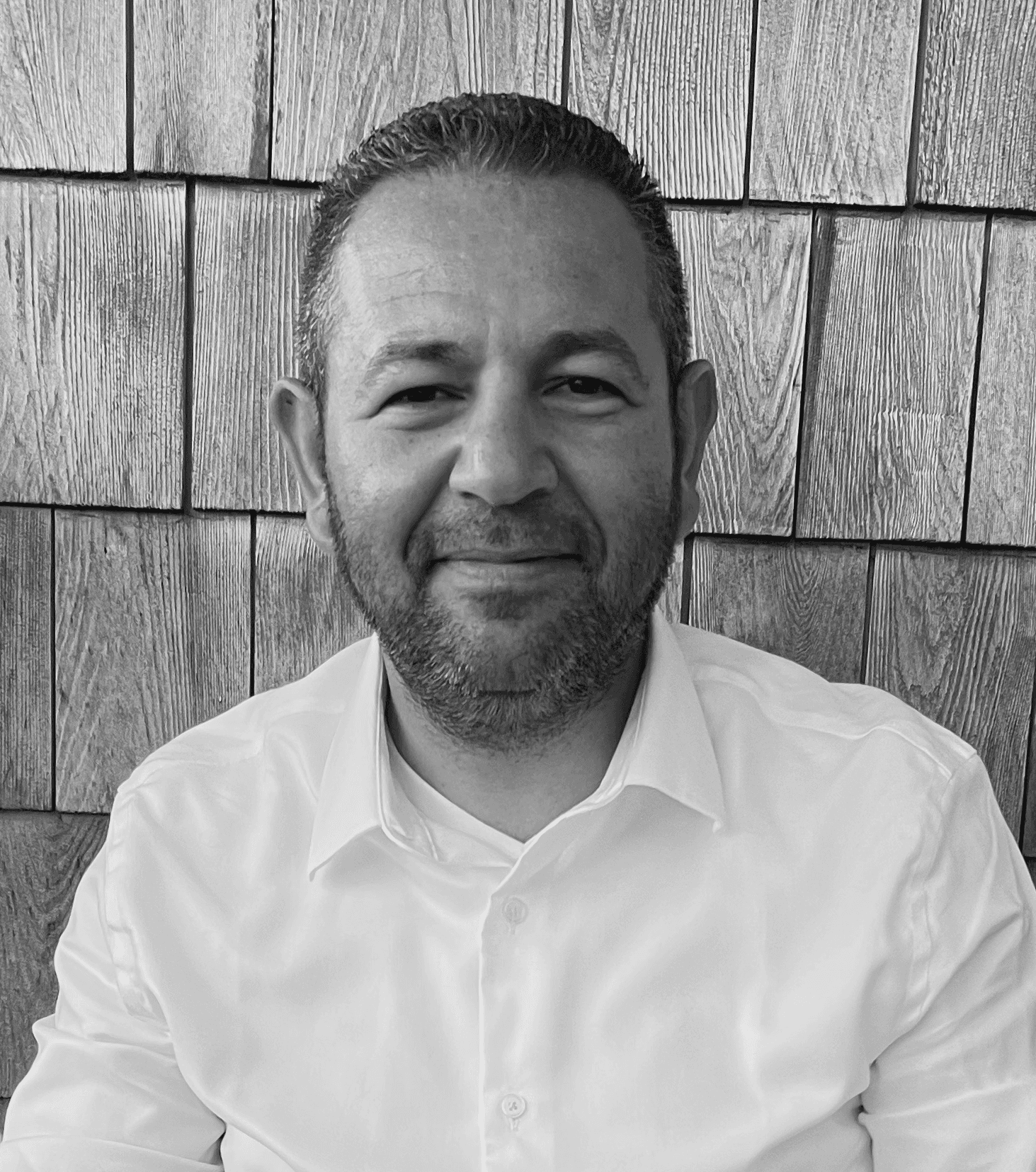
A decade of patient compounding, and a new beginning.
AEFIS spent a decade rewiring how universities assess student learning. We bootstrapped it from three founders into a market-leading EdTech platform serving 55+ institutions, reached about $4M ARR, won the Philadelphia 100® in 2016 and 2017, and exited to private equity in 2021, producing meaningful returns for early angel and seed investors.
What I learned from that decade is that creating social value compounds into economic value - not the other way around - and that mission-driven teams outlast clever ones. Both lessons sit at the center of Sociail.
The longer version is in the founder journey.
Selected results. AEFIS - founded 2012, bootstrapped, scaled to 55+ institutions, reached about $4M ARR, exited to private equity in 2021, and produced meaningful returns for early angel and seed investors. Philadelphia 100® in 2016 and 2017. Drexel commerce and engineering. Completed MIT professional education in artificial intelligence. Bilingual EN / TR.
Sociail - a shared room for people and AI teammates.
Sociail is a shared AI workspace where people and AI teammates stay in the same room. Drafts, decisions, memory, and approvals live together; AI teammates appear as named, bounded, reviewable participants rather than tools you reach for and then forget you used.
The deeper thesis is a category I've been writing toward for a year: Shared Intelligence. Private AI made individuals faster. The next collaboration layer is shared context - where people and AI teammates work from the same room, with visible memory and bounded follow-through. The essays explain it more carefully than a paragraph here can.
Three principles I keep returning to.
i.Technology should enlarge what people can do, not replace the people doing it. The AI products that will matter ten years from now will be measured by whether they made teams more thoughtful, not less.
ii.Great products solve real problems - not the problem the technology happens to be good at. I would rather build something narrow and used than something broad and admired.
iii.Trust is an architecture, not a marketing claim. Visible context, real human authority, bounded action, and accountability are not features you bolt on after launch. They are the shape of the product.
For the books, writers, and tools behind this thinking, see my resources.
Outside the work.
I live on the Delaware shore with my wife Caitlin and our son Luke. I bootstrapped AEFIS for eight years before its acquisition, which left me with a lasting affection for slow compounding work and a deep suspicion of shortcuts.
I keep a 2022 Jeep Gladiator Mojave that has seen more dirt roads than highways, two dogs named Maggie and Obi "Van Kenobi," and a soft spot for classic cars I will probably never own. I read in English and Turkish, and I support education equity, ethical AI governance, and animal rescue.
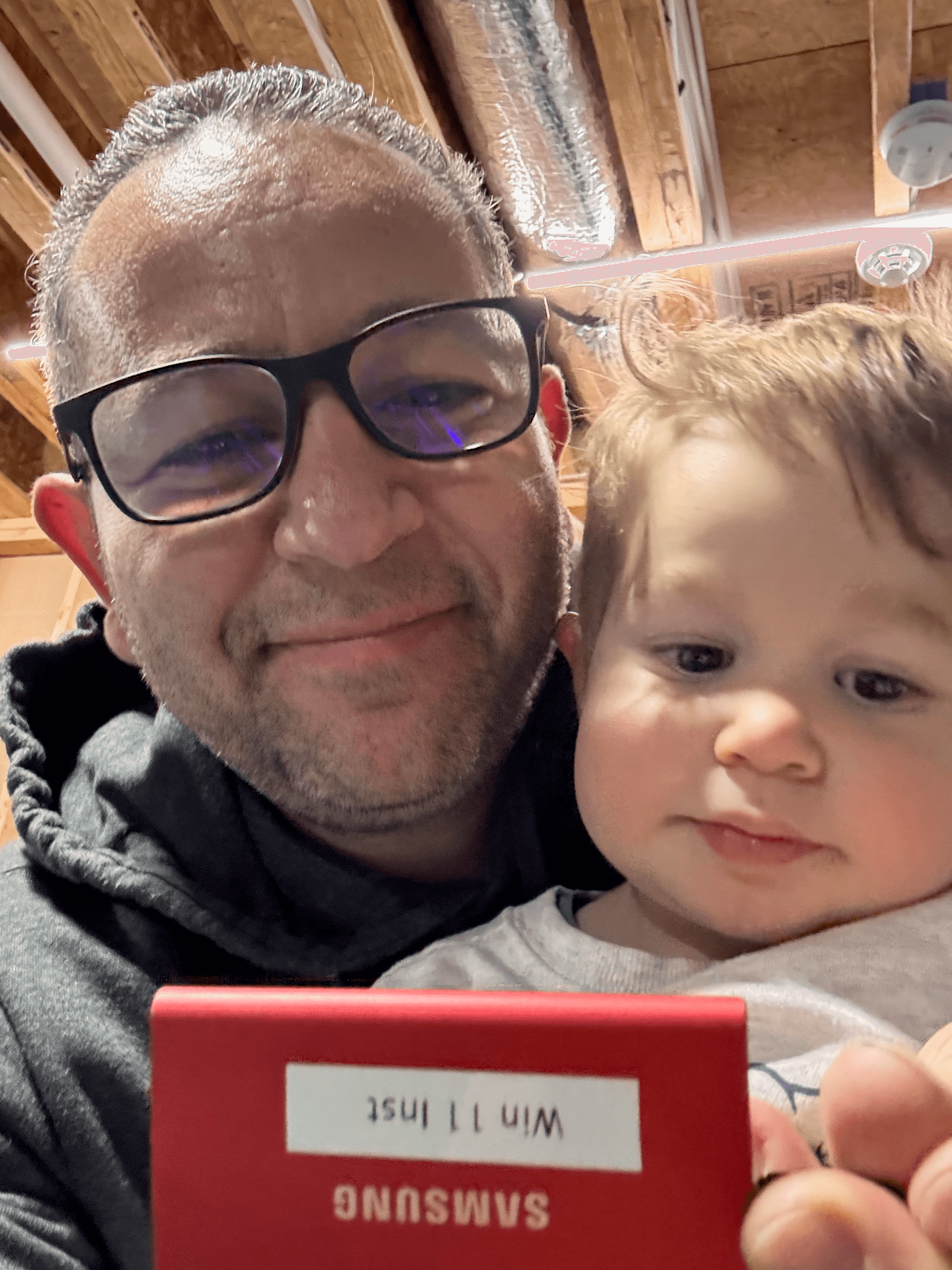
The work keeps changing. The question does not: how can technology help people do better work together?Mustafa Sualp
Open to conversation.
I'm always glad to hear from founders, operators, researchers, and writers thinking about AI-native work - and from anyone who wants to talk about Shared Intelligence, infrastructure, or the long arc of building something patient.