

The most boring work is often the most expensive.
Not because it is technically difficult. Because it consumes attention that should be going somewhere else.
Every founder, operator, teacher, doctor, manager, and builder knows the feeling. The day fills up with follow-up notes, status updates, formatting, summarizing, routing, reconciling, scheduling, and translating context from one tool into another.
None of those tasks are the reason people chose the work. But they quietly become the work.

That is why the AI automation conversation feels incomplete to me.
The point is not simply that AI can do tasks faster. The bigger opportunity is that AI can reduce the coordination drag that keeps people away from the human parts of work.
The replacement story is too small
Most public conversations about AI and work collapse into the same question:
Will AI replace jobs?
Some tasks will disappear. Some roles will change. Some jobs will be disrupted. It would be dishonest to pretend otherwise.
But the replacement frame misses the more practical question many teams are already facing:
What should humans spend more time doing if AI can absorb more of the mechanical load?
That is where the conversation gets interesting.
AI is often useful for pattern recognition, summarization, comparison, drafting, classification, retrieval, and repeatable synthesis. Those capabilities matter because they overlap with so much of the administrative surface area around modern work.
Humans matter most when the work requires judgment, accountability, taste, empathy, strategy, trust, ethics, and deciding what matters when the data is incomplete.
The opportunity is not to make people act more like machines. It is to stop making people spend so much of their day managing machine-like work.
The hidden cost of coordination drag
A lot of work does not look wasteful from the outside.
Writing the recap is useful. Updating the tracker is useful. Preparing the agenda is useful. Translating a conversation into a decision brief is useful. Following up with the right people is useful.
The problem is not that these tasks are pointless. The problem is that they often sit between people and the work only humans can do.
When every meaningful conversation creates five administrative fragments, teams get tired. They lose the thread. They spend too much time reconstructing context and too little time improving the decision.
AI can help here, but only if it is designed as a collaborator, not just an automation layer.
The difference matters.
Automation says: "I completed the task."
Collaboration says: "I preserved the context, prepared the next step, and made clear what still needs human judgment."
That second pattern is where work starts to feel different.
What better work looks like
Imagine a customer conversation.
The old pattern is familiar: take notes, summarize the call, extract action items, update the CRM, tell the product team what mattered, create follow-up tasks, and hope someone remembers the important detail two weeks later.
The better pattern is not just a faster summary. The conversation becomes a durable customer note. AI identifies themes, risks, and open questions. The team reviews what is accurate. An owner is named for the unresolved question. Follow-up is prepared but not sent without approval. Product implications stay attached to the right artifact, so the next conversation starts from shared context instead of memory scraps.
That is not just saving time. It is improving continuity.
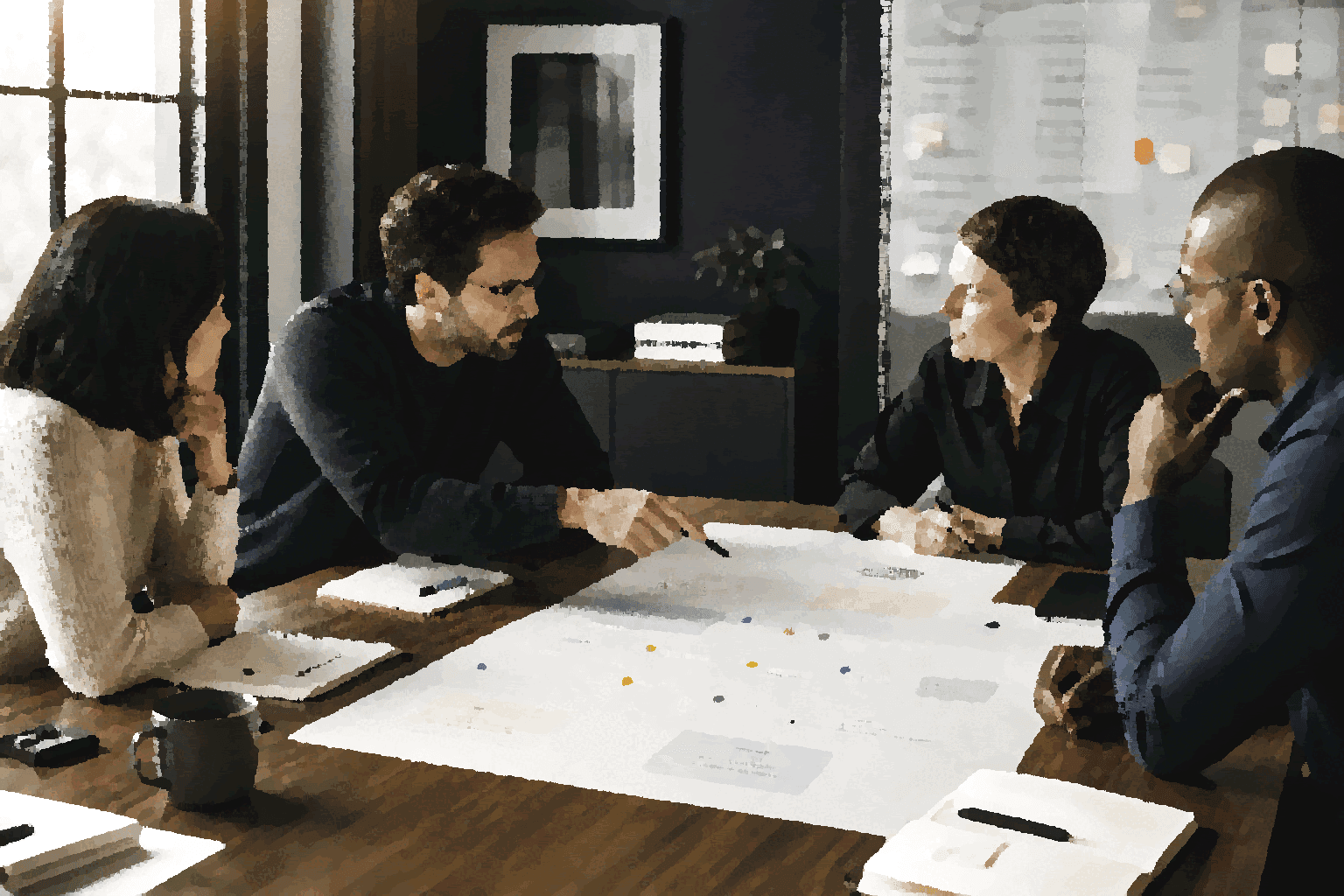
Or take strategy work.
The old pattern is a long meeting, a scattered thread, and a vague conclusion.
The better pattern is a decision brief with tradeoffs, accepted assumptions, rejected alternatives, and next steps. AI can help create that artifact, but people still own the decision.
That is the real promise: not less human work, but more human work that actually deserves human attention.
Purpose is practical
Purpose can sound abstract, but in work it is usually very concrete.
A teacher wants more time with students.
A doctor wants more time with patients.
A founder wants more time with customers, product, team, and hard decisions.
A manager wants more time coaching people and less time assembling status theater.
AI does not automatically create that future. Poorly deployed AI can create more noise, more review burden, and more shallow output to manage. It can make people faster at producing work no one needed.
The design challenge is to aim AI at the right layer.
The goal should be to remove friction from the work that supports judgment, not to flood the system with more content.
The skills that matter more
If AI absorbs more mechanical work, the remaining skills become more visible.
The valuable people will be the ones who ask better questions, decide what matters, spot weak assumptions, read the room, build trust, make ethical tradeoffs, turn ambiguous context into clear direction, and know when not to automate.
Those skills were always important. They were just buried under the operational tax of modern work.
AI can expose them.
But only if teams intentionally protect the human role instead of treating people as reviewers of endless machine output.
The trust boundary
There is a reason I keep coming back to bounded follow-through.
AI should be able to prepare work. It should be able to draft, synthesize, compare, and recommend. In many workflows, it should be able to assemble the next step.
But serious teams need to see the boundary between suggestion, preparation, approval, action, and evidence.
That boundary is what keeps AI from becoming either uselessly passive or dangerously opaque.
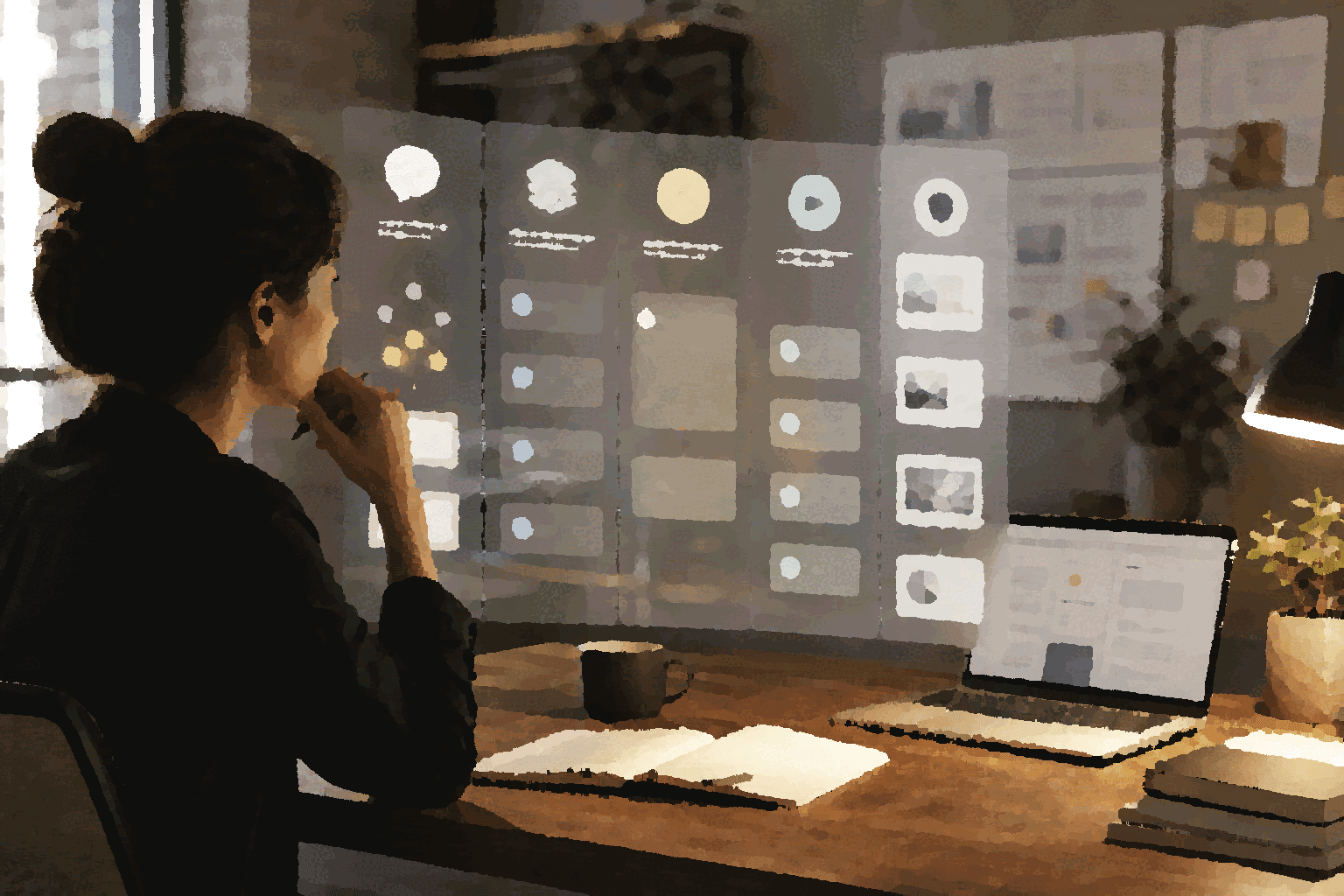
If AI drafts a follow-up email, a person should know what context it used. If AI proposes a product decision, the reasoning should be visible. If AI prepares action items, the team should know which ones are inferred and which ones were explicitly agreed.
Trust is not created by making AI invisible. Trust is created by making the right things visible.
The future of work worth building
The best future of AI at work is not a world where humans disappear from the workflow.
It is a world where people spend less time carrying context across broken systems and more time doing the work that requires judgment, imagination, empathy, and accountability.
That future will not happen automatically. It has to be designed.
We need AI systems that work in shared context, preserve the reasoning behind decisions, create durable artifacts, and prepare follow-through without hiding the human approval layer or the evidence behind the work.
That is how AI moves beyond automation.
Not by replacing purpose, but by giving people more room to practice it.